
Categories
Blog

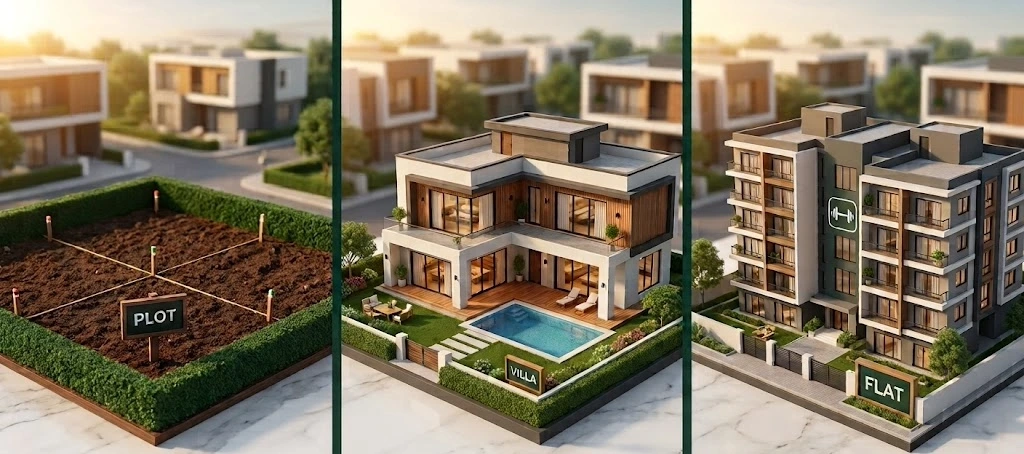
Plot vs Flat vs Villa

One of the first questions every property buyer faces isn’t “where” — it’s “what.” Should you buy a plot and build later, move into a flat, or go for a villa? Each comes with a different budget, a different lifestyle, and a different level of involvement. There’s no single right answer here — it depends entirely on what you actually need right now, not what sounds most impressive.

A plot gives you the most control — you decide the layout, the timeline, and how much you invest upfront versus over time. It usually costs less initially than a ready-built villa, but you’ll need to budget separately for construction, and the process takes longer before you can actually move in. Plots suit buyers who aren’t in a rush, want to build exactly what they envision, or are treating the purchase primarily as an investment property in a growing locality.

Flats work well for smaller families, working professionals, or first-time buyers who want to move in quickly without managing construction. Maintenance is typically shared across the building or society, which reduces the day-to-day responsibility on you. The trade-off is less space and less control over layout compared to an independent house or villa.

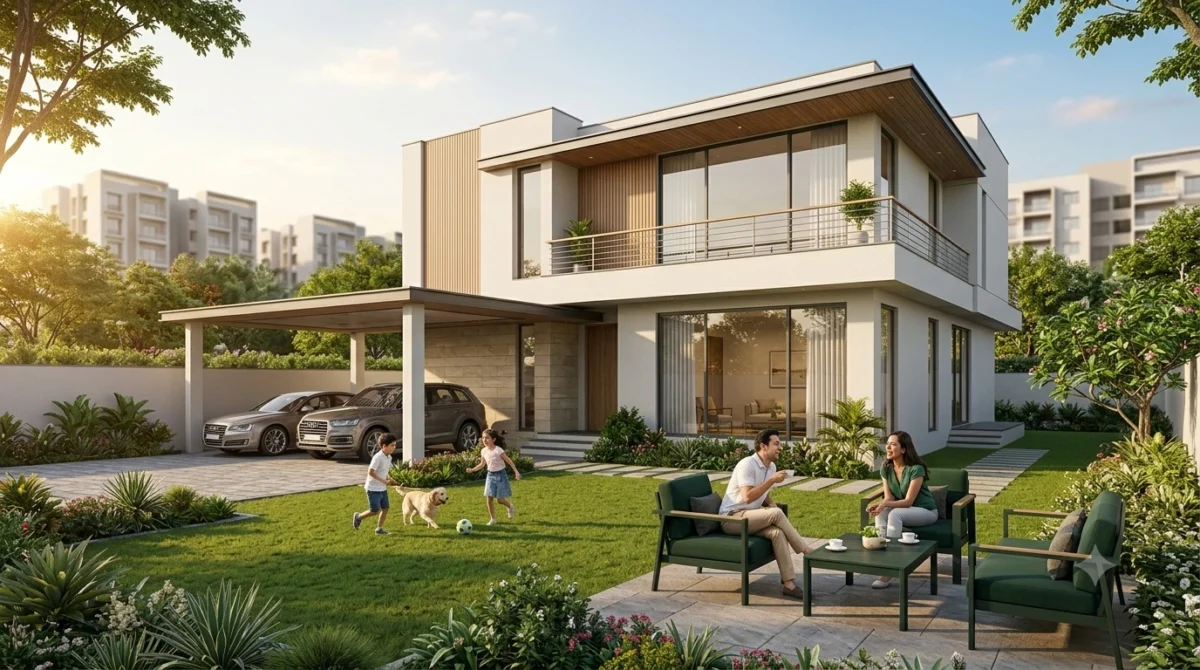
Villas suit families who want more space, privacy, and a premium living experience, often in established or upscale localities. They cost more than flats and require more personal upkeep, but they offer independence that apartment living simply doesn’t.

Ask yourself three honest questions: What’s my actual budget, including any construction costs? How soon do I need to move in? And how much time do I realistically want to spend managing maintenance? Your answers, combined with the “Who Should Choose What” guide above, will point you toward the right category faster than comparing prices alone.

A Residential Plot Is Ideal If You:
  • Want to build your dream home exactly as you imagine it
  • Are investing for the future rather than moving in right away
  • Don’t need to move in immediately
  • Prefer flexibility in design and construction timeline
A Flat Is Ideal If You:
  • Need a ready-to-move home without waiting
  • Want lower day-to-day maintenance responsibility
  • Have a moderate budget and want predictable costs
  • Prefer community living with shared amenities
A Villa Is Ideal If You:
  • Need more space for a growing or joint family
  • Value privacy and independence from shared walls
  • Have a larger family that needs room to spread out
  • Want a premium lifestyle in an established locality

There’s no universally “better” option between a plot, flat, or villa — only what fits your specific situation. If you’re still weighing the options, it helps to talk through your budget and priorities with someone who can walk you through real listings in each category.
Categories
Blog

Why Independent Houses Are Becoming More Popular Than Flats in Jaipur

For years, flats were the default choice for buyers looking for convenience and lower upfront costs. But in Jaipur, that pattern is shifting — more families and professionals are choosing independent houses instead, even when flats are the more “obvious” option on paper. Here’s what’s actually driving that change.

Unlike in larger metros, Jaipur still offers independent houses at prices that don’t require a massive premium over flats in comparable areas. Buyers are realizing they can get significantly more built-up area and land ownership for a similar budget.

An independent house lets you modify, extend, or renovate without needing society approval or navigating shared building rules. For families planning to live somewhere long-term, that flexibility matters more than it might seem at first.

No Shared Maintenance Politics

Flats often come with society maintenance fees, shared decision-making, and occasional disputes over common area usage. Independent houses remove that layer entirely — what you maintain is entirely your own responsibility and your own choice.

Land Ownership as Long-Term Value

With an independent house, you’re not just buying a unit — you’re buying the land beneath it. Over time, land tends to hold and grow in value independently of the structure, which appeals to buyers thinking beyond just the next few years.

Better Fit for Multi-Generational Families

Many Jaipur families still live across multiple generations under one roof. Independent houses accommodate this far more comfortably than most flat layouts, which are typically designed for smaller nuclear families.

Is an Independent House Right for You?

An independent house works best if you’re settling long-term, have a multi-generational family, or want full control over renovations without society approvals. It’s also a good fit if you value land ownership over a shared building structure.

That said, if you travel often or prefer not managing your own security and upkeep, a flat with shared maintenance might suit you better. It really comes down to space, timeline, and how much day-to-day responsibility you want to take on.

Conclusion

Flats still make sense for many buyers, particularly those prioritizing low maintenance and quick move-in. But if space, ownership, and long-term flexibility matter more to you, it’s worth seriously considering an independent house before assuming a flat is the simpler choice.

Explore verified independent houses in Jaipur with VMR Group. Talk to a Property Expert to see what’s currently available.

Categories
Blog

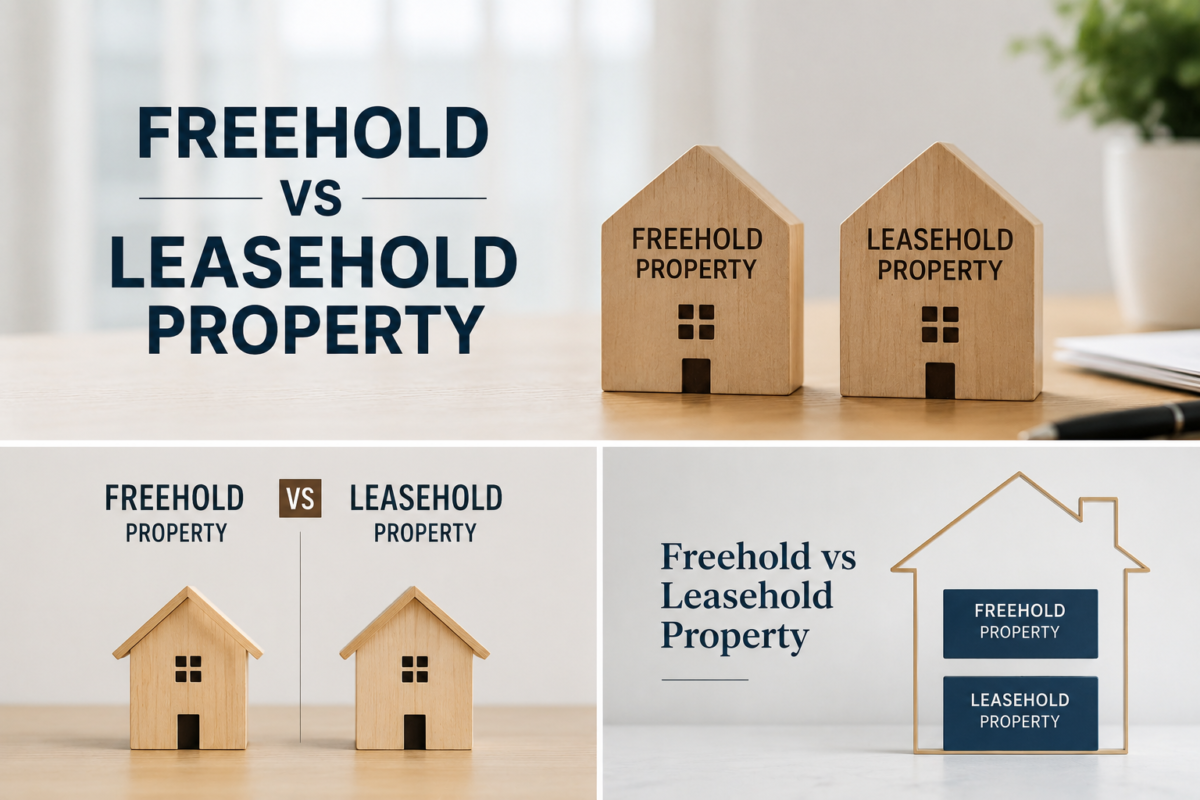
Freehold vs Leasehold Property: What Every First-Time Buyer Should Know

If you’re buying your first property, you’ve probably come across the terms “freehold” and “leasehold” without a clear explanation of what they actually mean for you as a buyer. The difference isn’t just legal terms — it affects your ownership rights, resale value, and long-term flexibility.

What Is Freehold Property?

With a freehold property, you own both the home and the land beneath it — completely and forever. There’s no expiry date on your ownership. You can sell it, pass it on to your family, or make changes to it, without needing anyone else’s permission (as long as you follow local rules).

What Is Leasehold Property?

With a leasehold property, you don’t own the land forever — you’re allowed to use it for a fixed number of years, often 30, 60, or 99 years, based on an agreement with the actual landowner (usually a government body). Once that time period ends, you may need to renew the agreement, or in some cases, the land goes back to the original owner.

Why This Distinction Matters

Freehold properties are generally easier to resell, mortgage, and pass on to family members without added legal complexity. Leasehold properties can come with restrictions on renovations, resale, or transfer, and their value can be affected as the remaining lease term shortens.

Who Should Choose a Freehold Property?

Freehold tends to be the better choice if:

  • You’re buying a home you plan to keep long-term or pass on to your children
  • You want the flexibility to renovate, extend, or resell without needing anyone else’s approval
  • You’re a first-time buyer looking to avoid added legal complications

Leasehold can still make sense in specific situations, like when freehold options aren’t available in your preferred location, or the remaining lease term is long enough not to affect your plans. But between two similar properties, freehold is usually the simpler, safer pick.

How to Check Before You Buy

Always ask directly whether a property is freehold or leasehold before finalizing anything, and review the relevant documentation carefully. This single question can save you from future complications around resale or renovation.

Conclusion

Understanding this distinction early means fewer surprises later. If you’re unsure which type of property you’re looking at, it’s worth asking directly rather than assuming.

Have questions about a specific property’s ownership type? Talk to a Property Expert at VMR Group before you decide.


Categories
Blog

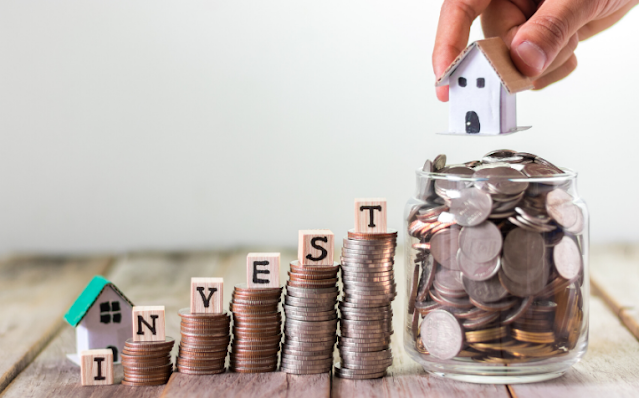
Why Real Estate is One of the Best Long-Term Investments

Every few years, a new investment trend grabs everyone’s attention. Stocks go up, then they fall. Crypto promises overnight riches, then wipes out savings just as fast. Gold has its moment, then sits quietly for years.

Through all of this, one investment option keeps proving itself, decade after decade: real estate.

If you’ve ever wondered whether to buy property in Jaipur, or whether real estate investment is truly worth the effort, this blog is for you. We’ll walk through why real estate continues to be one of the best investment options for homebuyers, families, NRIs, and first-time investors alike — and why Jaipur, in particular, is becoming a city that smart investors are watching closely.

Why Long-Term Investing Matters

Most people who lose money in investments make one common mistake: they think short-term.

They buy something today expecting quick profits tomorrow. When that doesn’t happen, panic sets in, and decisions get made in fear rather than logic.

Long-term investing works differently. It rewards patience, not speed.

Long-term investing works differently. It rewards patience, not speed.

  • Markets naturally go through ups and downs, but they tend to grow over longer periods.
  • Long-term investments give you time to recover from short-term dips.
  • Compounding — where your gains generate further gains — needs time to show real results.
  • You avoid the stress of constantly tracking daily price changes.

Real estate is practically built for long-term thinking. Unlike stocks that can crash overnight, property values in a growing city typically move in one steady direction: upward, especially when you choose the right location and hold on for the right duration.

Top Reasons Real Estate is a Great Long-Term Investment

1. Property Value Appreciation

Land is limited. Cities keep expanding. As demand for good locations rises, so does the price of property in those areas.

This is one of the simplest reasons real estate remains one of the best investment options — you’re investing in something that naturally becomes scarcer and more valuable with time.

2. A Hedge Against Inflation

When prices of everyday goods rise, the value of cash sitting in your bank account effectively shrinks. Real estate behaves differently.

Property values and construction costs tend to rise along with inflation, which means your investment keeps pace with — or beats — the rising cost of living.

3. Tangible Asset Ownership

You can see it. You can touch it. You can visit it whenever you like.

Unlike stocks or digital assets that exist only as numbers on a screen, property is a physical, tangible asset. For many Indian families, this sense of ownership brings a level of comfort and security that other investments simply can’t match.

4. Wealth Creation for Future Generations

A well-chosen property doesn’t just benefit you — it can benefit your children and grandchildren too.

Real estate is one of the few investment options that can be passed down as a lasting family asset, creating a foundation of financial security for generations to come.

5. Lower Volatility Compared to Other Investments

Real estate doesn’t swing wildly in value within hours or days the way stocks and cryptocurrencies do.

This stability makes it especially appealing to conservative investors, retirees, and families who want steady, dependable growth instead of unpredictable highs and lows.

6. Growing Infrastructure Increases Property Value

Every time a new road, metro line, or expressway is developed near a property, its value tends to rise. Infrastructure development and property prices are closely linked, making location one of the most important factors in long-term real estate investment.

Common Mistakes Investors Should Avoid

Even a great investment can turn into a headache if you skip the basics. Here are mistakes to watch out for:

  1. Buying without document verification — Always confirm ownership records, land titles, and approvals before making any payment.
  2. Ignoring location — A cheap property in a poorly connected area may never appreciate the way you expect.
  3. Choosing the cheapest property only — The lowest price isn’t always the best deal; check what’s actually included and whether the seller is legitimate.
  4. Not checking future infrastructure plans — A location’s future road, metro, or commercial development can significantly affect long-term value.
  5. Buying from unverified sellers — Always work with a real estate company in Jaipur that offers verified properties and a transparent buying process.

How VMR Group Helps You Make Smart Investments

  • Verified Properties: Every listing is checked for clear titles and proper documentation, so you can invest with confidence.
  • Expert Guidance: Our team understands the Jaipur real estate market inside out, from emerging localities to established neighborhoods.
  • Legal Document Assistance: We help you navigate paperwork, approvals, and registrations so nothing falls through the cracks.
  • Transparent Buying Process: No hidden costs, no last-minute surprises — just clear communication from start to finish.
  • Local Jaipur Market Expertise: We track infrastructure developments, upcoming projects, and pricing trends across the city.

As a trusted property consultant in Jaipur, our goal is simple: help you make informed, confident decisions when you buy residential property, not just close a sale.

Conclusion

Real estate continues to stand out as one of the best investment options for anyone thinking beyond the next few years, offering steady appreciation, inflation protection, and lasting family wealth. Jaipur adds to this with strong infrastructure growth and rising demand, creating a rare window of opportunity right now. Whether you’re a first-time buyer, a family, an NRI, or a seasoned investor, the fundamentals stay the same: choose the right location, verify everything, and be patient.

Get in touch with VMR Group today for expert guidance and a personalized consultation on your next property investment in Jaipur.

Categories
Blog

Buy or Sell Property in Jaipur

Jaipur’s real estate market has picked up real momentum over the last few years. Better roads, new infrastructure projects, and a steady flow of families and professionals moving into the city have pushed up demand for both plots and homes. But whether you’re buying your first house, adding to an investment portfolio, or selling a property you’ve owned for years, a good outcome depends less on luck and more on getting the basics right.

This guide walks through what buyers should check before signing anything, and what sellers should do to close a fair deal without unnecessary delays.

Buying Property in Jaipur: What to Check Before You Commit

1. Location Comes First

A property’s location decides its convenience today and its value tomorrow. Before you buy property in Jaipur, check connectivity to major roads, distance to schools and hospitals, and how developed the surrounding area already is. Locations near upcoming infrastructure — new roads, metro corridors, or commercial hubs — often show stronger price growth over the next few years.

2. Get Every Legal Document Verified

This is where many buyers run into trouble later. Before paying anything, confirm the title deed, land conversion approvals, and encumbrance certificate. Sticking to verified properties in Jaipur, where ownership and paperwork are fully clear, protects you from legal disputes down the line.

3. Budget for More Than Just the Price Tag

Stamp duty, registration charges, legal fees, and loan processing costs all add up. A realistic, complete budget — not just the property price — helps you avoid last-minute compromises.

4. Look at Where the Area Is Headed

Smart property investment in Jaipur means buying ahead of growth. Research government development plans and upcoming projects nearby before finalizing a location — this often matters more than the current asking price.

5. Check the Builder’s Track Record

If you’re buying a new villa or an independent house in Jaipur through a builder, look into their past projects, construction quality, and RERA registration. A reliable developer usually means fewer surprises after possession.

6. Visit the Property in Person

Photos don’t show water seepage, ventilation issues, or mismatched plot boundaries. A physical inspection — checking construction quality, water supply, and surrounding environment — is non-negotiable before you finalize a deal.

7. Get Expert Help, Especially If You’re an NRI

Jaipur’s property laws and registration process have enough nuance that even experienced buyers benefit from local expertise. A trusted real estate company in Jaipur can verify documents, negotiate fairly, and manage the paperwork — particularly valuable for NRIs who can’t always be present for site visits.

Selling Property in Jaipur: How to Close a Fair Deal Faster

  • Price it right from the start. Overpricing is the top reason listings sit unsold for months. Base your price on recent sales in your locality, not sentiment.
  • Keep your paperwork ready. Buyers ask for documents early — have your sale deed, tax receipts, and NOCs in order before you list.
  • Small fixes make a difference. A fresh coat of paint or fixing minor repairs can noticeably improve how buyers perceive the property’s value.
  • Choose the right buyer, not just the highest bid. A serious buyer with financing ready is often a better outcome than a higher offer from someone still arranging funds.

Quick Tips by Buyer Type

  • First-time buyers: Don’t skip the paperwork stage to save time — it protects your investment long-term.
  • Investors: Track infrastructure projects closely; they’re the earliest signal of future price growth.
  • Families: Prioritize schools, hospitals, and daily convenience over marginal price savings.
  • NRIs: Work with a local partner who can verify documents and handle site visits on your behalf.

Conclusion

Buying or selling property in Jaipur rewards patience and preparation far more than speed. Verified paperwork, realistic pricing, and local market knowledge make the difference between a smooth transaction and a stressful one.

Ready to Buy or Sell Property in Jaipur?

VMR Group helps first-time buyers, families, investors, and NRIs find verified residential plots, villas, and independent houses across Jaipur — and helps sellers get a fair, well-guided deal. Get in touch with VMR Group today to take the next step with confidence.

Categories
Blog

How to Choose the Right Family Property in Jaipur

Buying a home is one of the biggest decisions a family makes. It’s not just about signing papers and moving boxes — it’s about choosing the place where birthdays will be celebrated, kids will grow up, and parents will grow old.

Because of this, the process deserves more thought than simply comparing prices.

A good family property isn’t just the one that fits your budget. It’s the one that fits your lifestyle, your daily routine, and your family’s needs — today and years from now.

In this blog, we’ll walk through everything a family should consider before buying property in Jaipur, along with common mistakes to avoid and how the right guidance can make the whole process smoother.

Things to Consider Before Choosing a Family Property

1.Choose the Right Location

Location affects almost every part of daily life — much more than most buyers realize at first.

Think about:

  • Distance from schools and colleges
  • Access to hospitals and healthcare
  • Commute time to work
  • Nearby markets and daily shopping needs
  • How the area is likely to grow in value over time

A property in a well-connected, well-planned locality tends to make daily life easier and also holds its value better in the long run.

2. Understand Your Family’s Needs

Before finalizing anything, think through:

  • Current family size, and whether it might grow
  • Whether elderly parents will live with you, and what they’ll need (like ground-floor access)
  • Children’s requirements — study space, play areas, safety
  • Parking for one or more vehicles
  • A dedicated workspace, especially if anyone works from home

Skipping this step often leads to a home that looks great on paper but doesn’t quite work for daily family life.

3. Check Property Documents

Always verify:

  • Clear title deed and ownership history
  • Necessary government approvals
  • RERA registration, where applicable
  • Layout and land-use approvals
  • No pending legal disputes on the property

Skipping document verification is one of the most common — and costly — mistakes families make while buying property.

4. Look at Future Infrastructure

A locality that looks quiet today could look very different in five years.

Keep an eye on:

  • Upcoming roads and connectivity projects
  • Planned metro routes or transport upgrades
  • New schools, hospitals, and commercial hubs nearby

Areas with strong upcoming infrastructure tend to see steady growth in both convenience and property value.

5. Evaluate Amenities and Safety

For families, comfort and safety often matter as much as location.

Look for:

  • Reliable security and gated access
  • Parks and open spaces for children and elderly members
  • Sufficient parking
  • Power backup and consistent water supply
  • Well-maintained community facilities

These details might seem small during a site visit, but they shape everyday comfort once you’ve actually moved in.

How VMR Group Helps Families Buy with Confidence

Buying a family home involves a lot of moving parts, and having the right support makes a real difference. Here’s how VMR Group assists families through the process:

  • Verified Property Listings: Every property is checked for proper documentation and clear titles.
  • Transparent Buying Process: Clear communication at every step, with no hidden surprises.
  • Legal Document Assistance: Support with paperwork, approvals, and registration requirements.
  • Local Jaipur Market Expertise: Deep understanding of localities, upcoming infrastructure, and pricing trends.
  • Personalized Property Recommendations: Suggestions based on your family’s specific size, needs, and budget.
  • End-to-End Support Until Registration: Guidance that continues all the way through to the final paperwork, not just the property visit.

The goal is simple — to help families make a well-informed decision, with clarity and confidence at every stage.

Conclusion

The right family property is about far more than square footage or price. It should offer comfort, safety, convenience, and long-term value for everyone in the household — from young children to elderly parents.

By thinking through location, family needs, budget, documentation, and future infrastructure, families can choose a home that genuinely supports their life, not just their move-in day.

Get in touch with VMR Group today for expert assistance in finding the right family property in Jaipur.

Go Top